What Is Cava? A Short Guide Before a Cava Tasting
What cava is: the traditional method, the four-pointed star, Cava de Guarda, Reserva, Gran Reserva and Paraje Calificado, the sweetness words, and where cava is made.
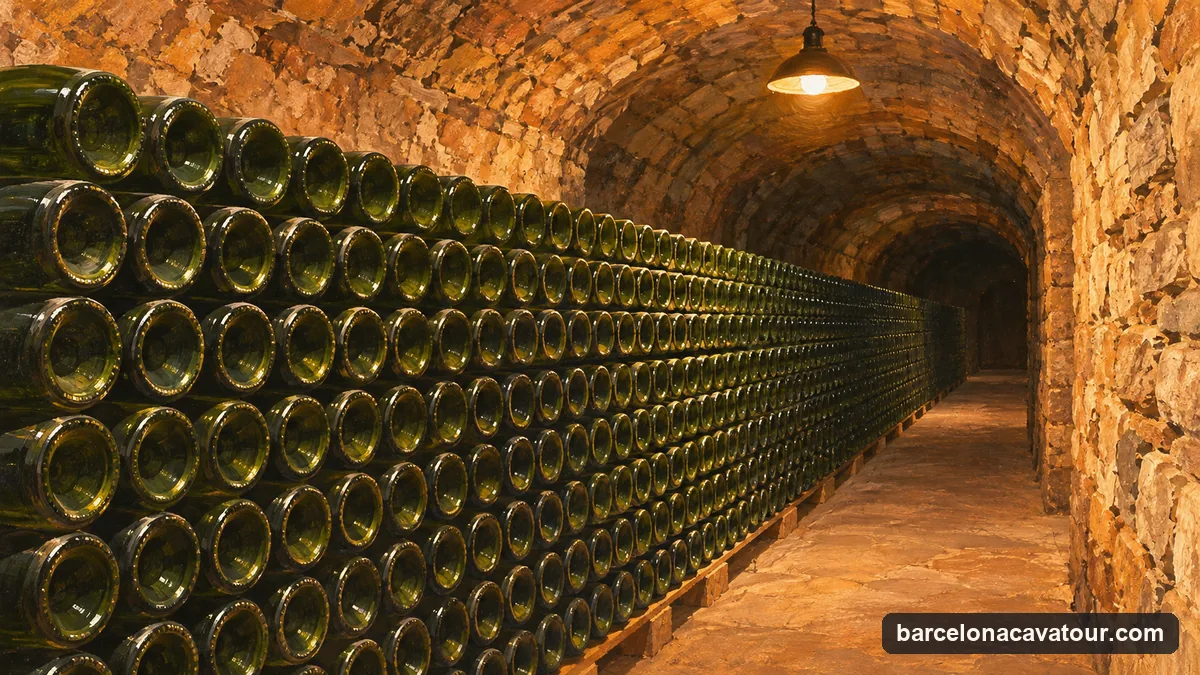
Cava is a Spanish sparkling wine made by the traditional method: its second fermentation happens in the same bottle that reaches you. The cork carries a four-pointed star to show it. The D.O. Cava, the protected designation its regulatory council manages, also sets how long each category must age, from 9 months for Cava de Guarda to 36 for Cava de Paraje Calificado. That is what you will hear explained on a cellar visit, and the labels make more sense once you know it.
It is simpler to learn with a glass in hand: the wine and cava day from Barcelona pours four cavas and three wines at two family wineries.
The four-pointed star
The regulatory council calls the four-pointed star the symbol that the wine was made by the traditional method, with the second fermentation in the same bottle that reaches the consumer. Every cava is made that way.
How long cava ages
The categories on the label are about time in the bottle before release. As the regulatory council’s labelling page sets them out (checked November 2026):
| Category | Minimum ageing |
|---|---|
| Cava de Guarda | 9 months: the youngest cavas |
| Reserva | Longer than Cava de Guarda; a silver seal (marchamo) |
| Gran Reserva | 30 months, with a gold seal |
| Cava de Paraje Calificado | 36 months |
Reserva, Gran Reserva and Paraje Calificado together form Cava de Guarda Superior, which the council describes as the premium cavas.
The sweetness words
The council’s labelling page names seven types by sugar content: Brut Nature, Extra Brut, Brut, Extra Seco, Seco, Semi Seco and Dulce. The word on the label tells you which one is in the bottle.
Where cava is made
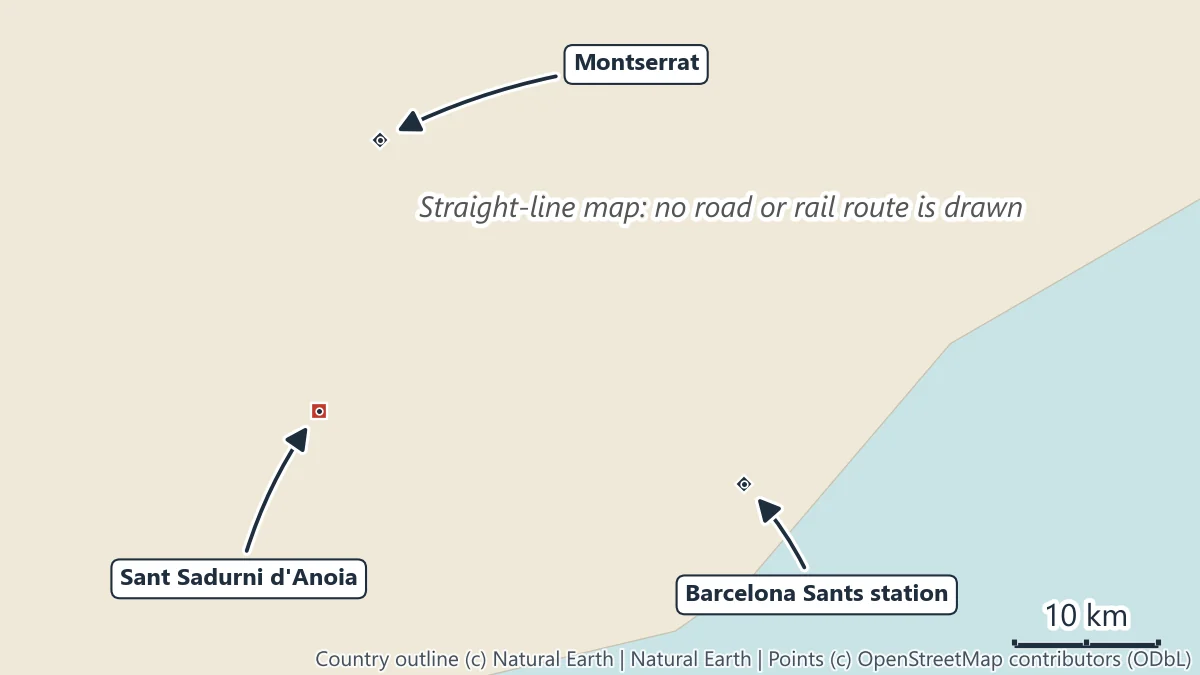
The D.O. Cava’s council lists four zones: Comtats de Barcelona, Valle del Ebro, Viñedos de Almendralejo and Zona de Levante. For a visit from Barcelona the place is Sant Sadurní d’Anoia, in the Penedès, where Codorníu and Freixenet have their cellars; Codorníu or Freixenet compares their visits.
Tasting it where it is made
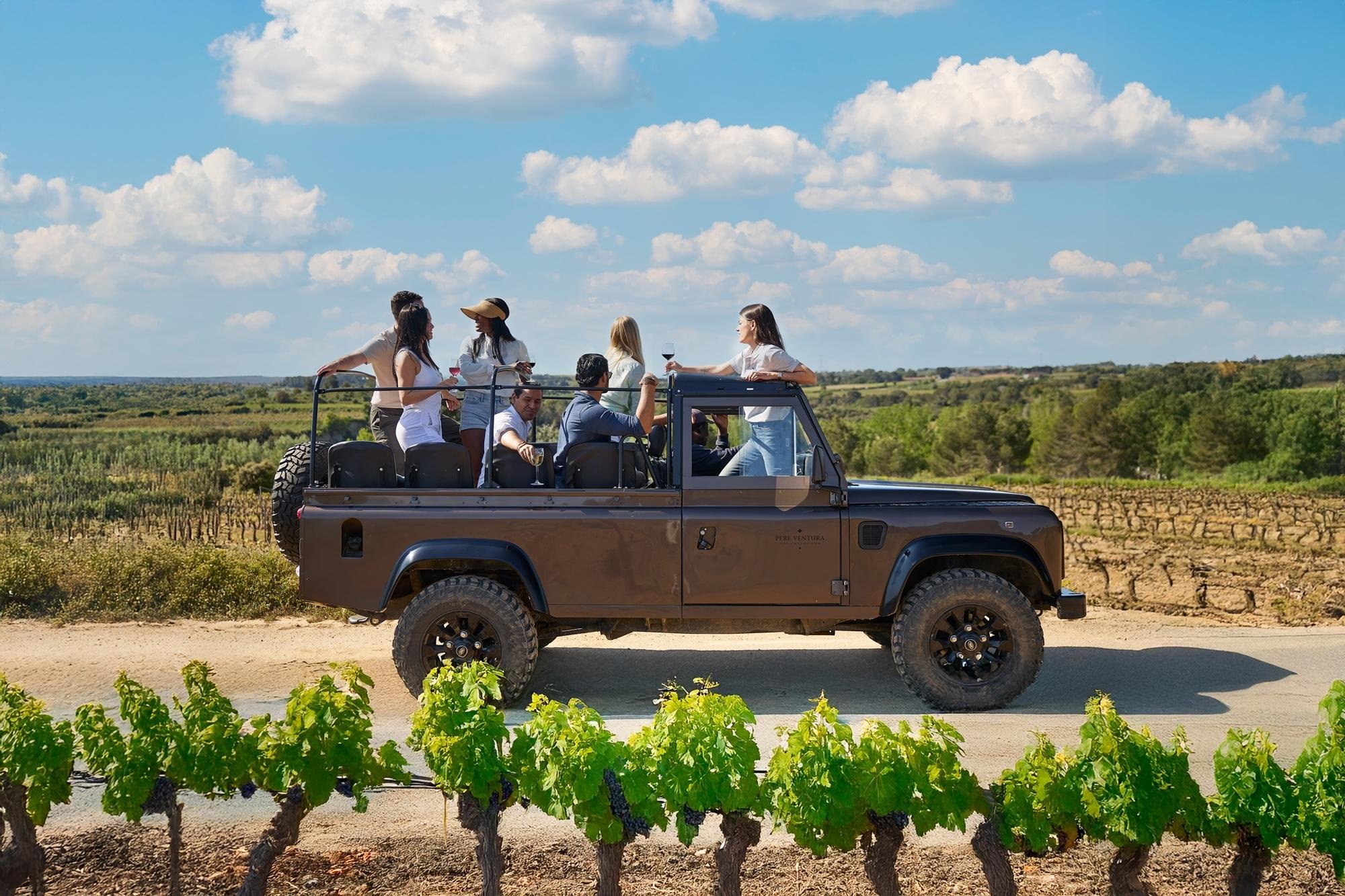
A label is easier to read with the glass in front of you. If you would rather taste cava at a winery, with someone to explain what is in the glass, World Experience’s wine and cava day pours 4 cavas and 3 wines at two family wineries, Pere Ventura Cava and Can Bas, with local cheese and charcuterie and a 4x4 ride through the vineyards. It leaves Les Corts, in Barcelona, at 9:00 AM: from US$144 an adult (checked November 2026), with no hotel pickup.
The tour does not name the categories it pours, so ask on the day; the guide and the winemakers are there for that. Cava tasting in Barcelona lists the shorter tastings at single cellars.
Taste Four Cavas Where They Are Made
World Experience's day from Les Corts: Pere Ventura and Can Bas, a 4x4 vineyard ride, 3 wines and 4 cavas with cheese and charcuterie. Free cancellation up to 24 hours before.
See dates